
If you’re searching for personal loan advice, chances are you’re thinking about borrowing money — and you want to make the right decision. That’s smart. Taking a personal loan is a financial commitment, and it should never be rushed.
Let’s talk about it in a real, practical, user-friendly way — like I’m explaining it to a friend who wants clear answers, not complicated financial jargon.
What Is a Personal Loan?
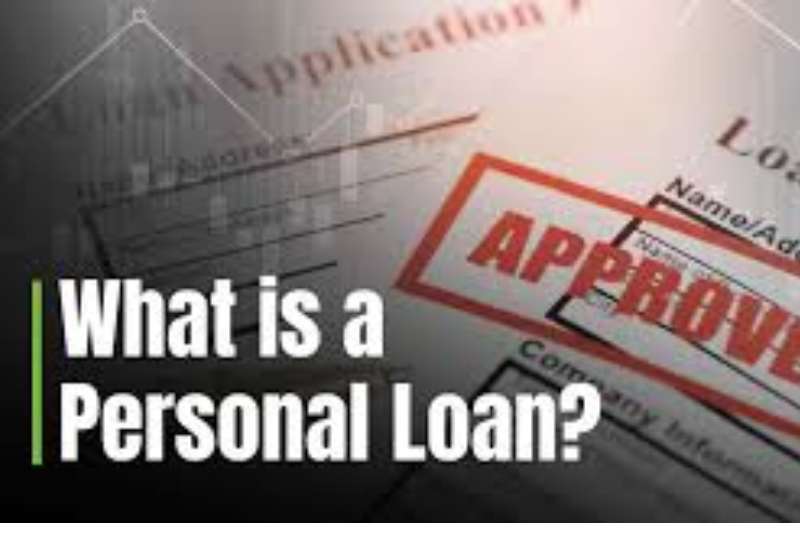
A personal loan is money you borrow from a bank, credit union, or online lender that you repay in fixed monthly payments over a specific period — usually between 1 and 5 years.
Most personal loans are unsecured, meaning:
- You don’t need to put up collateral like your house or car.
- Approval is mainly based on your creditworthiness.
- Interest rates depend heavily on your credit score and income.
You receive a lump sum upfront and repay it in installments that include principal and interest.
Simple structure. Big responsibility.
When Taking a Personal Loan Makes Sense
Good personal loan advice starts with knowing when it’s appropriate.
Here are situations where a personal loan can actually be helpful:
1. Debt Consolidation
If you have multiple high-interest credit cards, consolidating them into one personal loan with a lower interest rate can:
- Reduce your overall interest costs
- Simplify payments
- Help you get out of debt faster
This is one of the most common and practical uses.
2. Emergency Expenses
Life happens. Medical bills, urgent car repairs, home repairs — sometimes you don’t have time to save.
A personal loan can provide immediate relief when:
- You don’t have an emergency fund
- The expense can’t be delayed
3. Major Life Events
Weddings, relocations, or necessary family expenses sometimes require upfront funds.
4. Home Improvements
Renovations that increase property value (like a new roof or kitchen update) may justify borrowing.
5. Large Necessary Purchases
Appliances, furniture, or equipment that you genuinely need — not just want.
Benefits of a Personal Loan
Let’s talk clearly about the advantages. Every good piece of personal loan advice should include the positives and negatives.
1. Fixed Monthly Payments
You know exactly:
- How much you owe
- When it will be paid off
- What your monthly payment will be
That predictability helps with budgeting.
2. Lower Interest Than Credit Cards (Sometimes)
If you qualify for a good rate, personal loans often have lower interest rates than credit cards.
3. No Collateral Required
Since most personal loans are unsecured:
- You don’t risk losing your home or car directly.
- Approval is based on credit and income.
4. Fast Access to Funds
Many lenders approve and disburse funds quickly — sometimes within 24–72 hours.
5. Debt Consolidation Simplification
Instead of managing multiple bills, you manage one.
Less stress. More control.
Drawbacks of a Personal Loan
Now let’s be honest. There are risks and disadvantages.
1. Interest Costs Add Up
Even with a decent rate, you’re still paying interest.
Borrow $10,000 and you might repay $11,500 or more depending on the rate and term.
2. Fees
Watch out for:
- Origination fees
- Late payment fees
- Prepayment penalties
These can increase your total cost.
3. Credit Score Impact
Applying for a loan creates a hard inquiry on your credit report.
Missed payments can significantly damage your credit score.
4. Temptation to Overspend
If you’re approved for more than you need, it’s tempting to take it.
That leads to unnecessary debt.
5. Fixed Obligation
Unlike credit cards where minimums vary, you must pay the agreed amount every month — no flexibility.
You may also like to read these posts:
Important Personal Loan Advice Before You Apply
Now let’s get into practical steps.
1. Check Your Credit Score First
Your credit score affects:
- Approval chances
- Interest rate
- Loan terms
The higher your score, the better your offer.
If your score is low, consider:
- Paying down credit card balances
- Fixing errors on your credit report
- Waiting a few months to improve it
2. Compare Multiple Lenders
Never accept the first offer.
Compare:
- Interest rates
- APR (Annual Percentage Rate)
- Fees
- Loan terms
Even a 1–2% difference can save you hundreds or thousands.
3. Focus on APR — Not Just Interest Rate
APR includes:
- Interest
- Fees
It’s the true cost of the loan.
4. Borrow Only What You Need
Just because you qualify for $25,000 doesn’t mean you should take it.
Stick to the actual amount required.
5. Make Sure the Payment Fits Your Budget
Ask yourself honestly:
“If my income drops temporarily, can I still make this payment?”
If the answer feels uncomfortable, reconsider.
Common Mistakes to Avoid
Good personal loan advice also helps you avoid traps.
- Taking a loan for luxury shopping
- Ignoring hidden fees
- Choosing longer terms just for lower payments (you pay more interest)
- Missing payments
- Not reading the loan agreement
Slow down and think long-term.
Alternatives to Consider
Before finalizing your decision, explore options:
- Build a short-term savings plan
- Negotiate bills or payment plans
- 0% balance transfer credit cards
- Borrowing from family (carefully and respectfully)
- Increasing income temporarily (side gigs, freelance work)
Sometimes a personal loan is the best solution. Sometimes it’s just the fastest one.
Smart Repayment Strategy
Once you take the loan:
- Set up automatic payments
- Pay more than the minimum if possible
- Avoid late payments at all costs
- Make extra principal payments (if no penalty)
The faster you repay, the less interest you pay.
Is a Personal Loan Right for You?
Here’s the honest truth:
A personal loan is not good or bad on its own.
It becomes good or bad depending on:
- Why you’re borrowing
- How much you borrow
- Your repayment discipline
- The terms you accept
The best personal loan advice is simple:
Borrow with a plan.
Borrow with purpose.
Borrow only what improves your financial situation — not what makes it harder.
Final Thoughts
If you treat a personal loan like a financial tool — not free money — it can be extremely useful.
But if you rush into it without comparing options, calculating total costs, or planning repayment, it can create long-term stress.
Take your time. Ask questions. Do the math. Think beyond the monthly payment.
And remember — smart borrowing today protects your financial future tomorrow.
Frequently Asked Questions (FAQs)
1. What credit score do I need for a personal loan?
Most lenders prefer a credit score of 670 or higher for better interest rates.
750+ → Excellent rates
700–749 → Good rates
640–699 → Average rates
Below 640 → Higher interest or possible denial
2. How much can I borrow with a personal loan?
It depends on:
Your income
Your credit score
Your debt-to-income ratio
3. How long does it take to get approved?
Approval can take:
A few minutes to a few hours for online lenders
1–5 business days for traditional banks
Funds are often deposited within 1–3 business days after approval.
4. Does applying for a personal loan hurt my credit?
Yes — but slightly.
When you apply, lenders perform a hard inquiry, which may lower your credit score by a few points temporarily.
However, making consistent, on-time payments can improve your credit over time.
5. What is the difference between interest rate and APR?
Interest Rate = Cost of borrowing the money
APR (Annual Percentage Rate) = Interest + fees
APR gives you the true cost of the loan. Always compare APR when shopping for loans.