
If you are searching for a best loan options guide, you likely want clear, honest information without complicated financial jargon. Taking a loan is a serious financial decision, and choosing the wrong one can cost you thousands in interest and fees. Choosing the right one, however, can help you buy a home, fund education, grow a business, or manage emergencies with confidence.
In this detailed best loan options guide, I will walk you through the most common types of loans, their benefits and drawbacks, and how to decide which option fits your financial situation.
Understanding Loans: The Basics
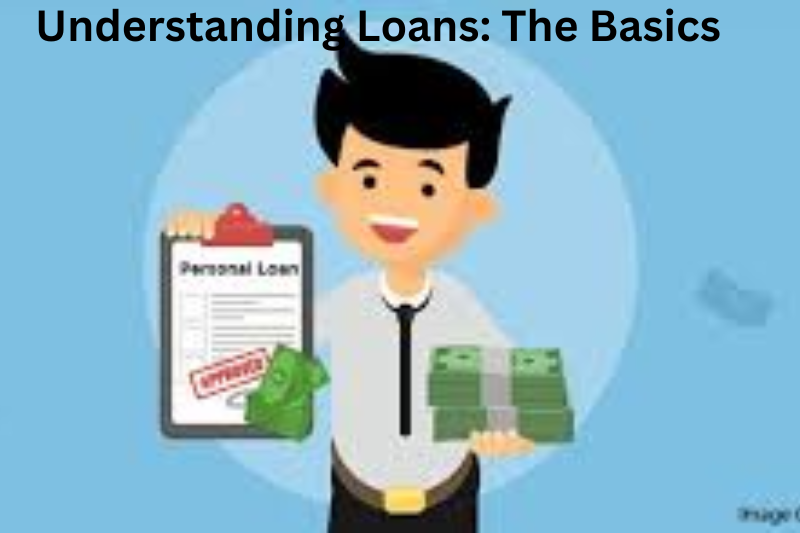
Before we explore different loan options, let’s quickly understand what a loan really is.
A loan is borrowed money that you agree to repay over time, usually with interest. The total cost of a loan depends on:
- Interest rate
- Loan amount
- Repayment period (tenure)
- Additional fees (processing fees, penalties, etc.)
Loans generally fall into two categories:
Secured Loans
These require collateral (such as a house or car). If you fail to repay, the lender can take the asset.
Unsecured Loans
These do not require collateral but usually have higher interest rates.
Now, let’s go deeper into the major loan types.
1. Personal Loans
Personal loans are among the most flexible borrowing options. They are typically unsecured and can be used for almost any purpose.
Common Uses
- Medical emergencies
- Weddings
- Travel
- Home renovations
- Debt consolidation
Benefits
- No collateral required
- Quick approval process
- Flexible usage
- Fixed monthly payments
Drawbacks
- Higher interest rates compared to secured loans
- Strict credit score requirements
- May include processing fees
- Shorter repayment tenure
Personal loans are ideal if you need funds quickly and do not want to risk assets. However, they should not be used for unnecessary spending.
2. Home Loans (Mortgages)
Home loans are designed to help individuals purchase or refinance property. They are secured loans because the house itself serves as collateral.
Major mortgage lenders include:
- Wells Fargo
- Chase Bank
- Bank of America
Benefits
- Lower interest rates compared to unsecured loans
- Long repayment terms (15 to 30 years or more)
- Tax benefits in many countries
- Builds home equity
Drawbacks
- Lengthy approval process
- Requires strong credit and stable income
- Large down payment may be required
- Risk of foreclosure if payments are missed
Home loans are suitable for long-term financial planning and property ownership.
3. Auto Loans
Auto loans help finance new or used vehicles. These loans are usually secured, with the car serving as collateral.
Popular lenders include:
- Capital One
- LightStream
Benefits
- Lower interest than personal loans
- Predictable monthly payments
- Faster approval than home loans
Drawbacks
- Vehicle depreciation reduces asset value
- Risk of repossession if you default
- May require a down payment
Auto loans are practical when transportation is necessary for work or family needs.
4. Student Loans
Student loans are designed to fund higher education expenses such as tuition, books, and housing.
In the United States, federal loans are managed by:
- U.S. Department of Education
Private student loan providers include:
- Sallie Mae
- SoFi
Benefits
- Lower interest rates (especially federal loans)
- Deferred payment options while studying
- Income-driven repayment plans (for federal loans)
Drawbacks
- Long repayment periods
- Interest accrues over time
- Private loans have fewer protections
- Difficult to discharge in bankruptcy
Federal loans are generally safer and more flexible than private student loans.
5. Business Loans
Business loans are used to start, manage, or expand a business. These may be secured or unsecured depending on the lender.
Government-backed options in the U.S. include programs supported by:
- Small Business Administration
Benefits
- Larger borrowing amounts
- Structured repayment plans
- Can improve business cash flow
Drawbacks
- Extensive documentation required
- Approval may take time
- Risk to personal or business assets
- May require a strong business plan and credit history
Business loans are most effective when there is a clear revenue plan in place.
6. Credit Card Loans and Cash Advances
Credit cards can function as short-term borrowing tools.
Major issuers include:
- American Express
- Citibank
Benefits
- Instant access to funds
- No formal loan application
- Useful for short-term cash flow
Drawbacks
- Very high interest rates
- Compounding interest
- Risk of long-term debt cycle
- Cash advance fees
Credit cards should only be used for short-term borrowing if you can repay quickly.
How to Choose the Best Loan Option

Choosing the right loan depends on your financial profile and purpose.
1. Evaluate Your Credit Score
A higher credit score gives you access to better interest rates and loan terms.
2. Compare Interest Rates
Even small rate differences significantly affect total repayment.
3. Consider Total Loan Cost
Look beyond the monthly payment. Check:
- Processing fees
- Prepayment penalties
- Late fees
- Insurance requirements
4. Assess Your Repayment Capacity
Your monthly loan payments should ideally not exceed 30–40% of your income.
5. Choose Appropriate Loan Tenure
Shorter tenure means higher monthly payments but lower total interest.
You may also like to read these posts:
Benefits of Taking a Loan
When used wisely, loans offer several advantages:
- Enable major life purchases
- Help build credit history
- Provide emergency financial support
- Allow business growth
- Make education accessible
Risks and Drawbacks of Loans
However, loans also carry risks:
- Interest increases overall cost
- Late payments damage credit score
- Risk of asset loss in secured loans
- Debt stress and financial pressure
- Long-term financial commitments
Responsible borrowing is critical.
Final Thoughts
The purpose of this best loan options guide is not to tell you that one loan is universally better than another. The best option depends entirely on your:
- Financial stability
- Income level
- Credit score
- Borrowing purpose
- Risk tolerance
A home loan may be ideal for long-term wealth building. A personal loan may work for short-term needs. A student loan can be an investment in your future. A business loan can fuel expansion.
Before making a decision, compare offers, read terms carefully, and ensure that the repayment fits comfortably within your budget.
Frequently Asked Questions (FAQs)
1. What is the best type of loan for me?
The best loan depends on your purpose:
Personal loan – flexible, short-term needs
Home loan – buying or refinancing property
Auto loan – purchasing a vehicle
Student loan – funding education
Business loan – starting or expanding a business
2. How can I get the lowest interest rate on a loan?
Maintain a high credit score
Compare multiple lenders
Opt for secured loans if possible
Shorter tenure loans usually have lower rates
Avoid frequent loan applications, which can reduce credit score
3. What is the difference between secured and unsecured loans?
Secured loans require collateral (house, car). They usually have lower interest rates.
Unsecured loans do not require collateral but have higher interest rates.
4. How much can I borrow?
Loan amounts depend on:
Your income and repayment capacity
Credit history
Loan type
Lender policies
5. How long does it take to get a loan approved?
Personal loans: 1–7 days
Home loans: 2–6 weeks
Auto loans: 1–14 days
Business loans: 1–4 weeks depending on documentation
Student loans: Varies by federal or private lender.