
Let’s have a real conversation about money.
If you’ve ever felt like your income disappears too quickly or that you’re working hard but not making progress financially, you’re not alone. Many people struggle not because they don’t earn enough, but because they lack a structured approach to handling their money. That’s where personal budget management becomes essential.
Personal budget management is not about restriction or deprivation. It’s about clarity, intention, and control. When you understand how your money flows in and out, you gain the ability to shape your financial future instead of reacting to it.
This detailed guide will walk you through what personal budget management is, why it matters, how to implement it effectively, and the benefits and drawbacks you should be aware of.
What Is Personal Budget Management?
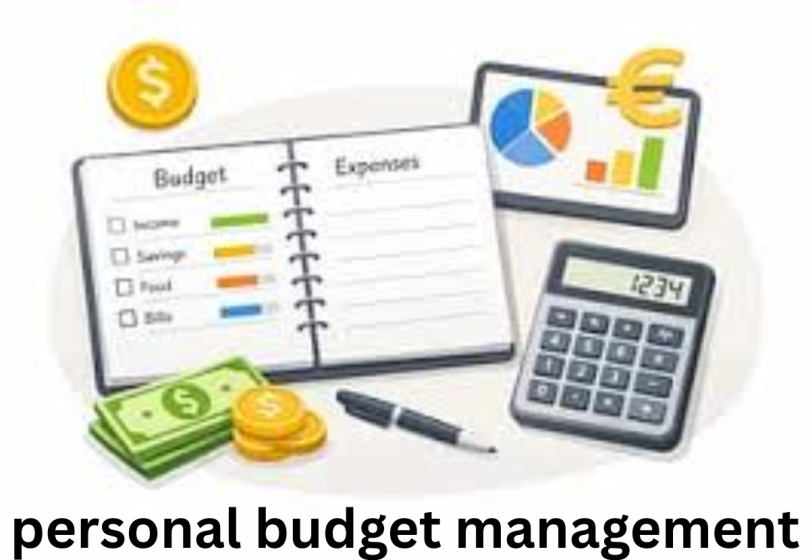
Personal budget management is the process of planning, organizing, tracking, and controlling your income and expenses to achieve financial stability and long-term goals.
It involves:
- Identifying your income sources
- Tracking and categorizing expenses
- Allocating funds strategically
- Monitoring progress
- Adjusting when necessary
At its core, personal budget management ensures that your spending aligns with your priorities.
Why Personal Budget Management Is Important
Money touches nearly every part of life — housing, health, education, travel, relationships, and retirement. Without a plan, it is easy to lose control.
Here’s why personal budget management matters:
1. It Creates Financial Awareness
You cannot improve what you don’t measure. When you track your income and expenses, you gain visibility into your financial behavior. This awareness is the foundation of smart financial decision-making.
2. It Prevents Overspending
Many people overspend simply because they don’t realize how much they are spending. A structured budget highlights patterns and areas where spending exceeds limits.
3. It Helps You Achieve Financial Goals
Whether your goal is buying a home, building an emergency fund, paying off debt, or investing for retirement, personal budget management turns vague intentions into actionable plans.
4. It Reduces Financial Stress
Uncertainty about money creates anxiety. When you know your numbers and have a plan, you experience greater peace of mind.
5. It Builds Long-Term Financial Discipline
Budgeting strengthens habits like delayed gratification, strategic planning, and consistent saving — all essential for financial growth.
Key Components of Personal Budget Management
To manage your budget effectively, you need a structured approach. Let’s break it down step by step.
1. Calculate Your Total Income
Start by identifying all sources of income:
- Salary or wages (after tax)
- Freelance or business income
- Rental income
- Side hustles
- Dividends or interest income
Use your net income (take-home pay) as the base for your budget.
If your income fluctuates, calculate an average over the last three to six months and budget conservatively.
2. Track All Expenses
Tracking is one of the most critical aspects of personal budget management.
Break expenses into:
Fixed Expenses
These remain relatively constant each month:
- Rent or mortgage
- Insurance premiums
- Loan payments
- Subscriptions
Variable Expenses
These change month to month:
- Groceries
- Utilities
- Transportation
- Dining out
- Entertainment
Occasional or Irregular Expenses
These occur less frequently:
- Car repairs
- Medical bills
- Gifts
- Annual subscriptions
- Travel
Many budgets fail because irregular expenses are ignored.
3. Categorize Spending
Organizing expenses into categories helps you analyze your habits clearly.
A common framework includes:
- Essentials (Needs)
- Lifestyle (Wants)
- Savings and Investments
- Debt Repayment
This categorization makes it easier to identify imbalances and adjust accordingly.
4. Allocate Your Income Strategically
One popular method is the 50/30/20 rule:
- 50% for needs
- 30% for wants
- 20% for savings and debt repayment
This framework is flexible and can be adjusted based on your financial situation.
Alternatively, you can use zero-based budgeting, where every dollar is assigned a purpose until your income minus expenses equals zero.
5. Build an Emergency Fund
A core principle of personal budget management is financial protection.
An emergency fund should ideally cover 3 to 6 months of living expenses. This prevents you from relying on high-interest debt during unexpected events.
6. Monitor and Adjust Regularly
Budgeting is not a one-time activity. It requires regular review.
At the end of each month:
- Compare planned spending to actual spending
- Identify areas of overspending
- Adjust allocations for the next month
Flexibility ensures sustainability.
Benefits of Personal Budget Management
Now let’s look at the clear advantages.
1. Greater Financial Control
You move from reacting to expenses to proactively directing your money.
2. Improved Savings Rate
Budgeting makes saving intentional. You allocate money to savings first rather than waiting to see what’s left.
3. Faster Debt Repayment
Structured budgeting allows you to create a focused debt payoff strategy.
4. Clearer Financial Priorities
You become more aware of what truly matters to you financially.
5. Reduced Money-Related Conflicts
For couples and families, budgeting improves communication and reduces disagreements about spending.
6. Better Long-Term Planning
You can prepare for retirement, major purchases, or investments with confidence.
Drawbacks of Personal Budget Management
While highly beneficial, personal budget management is not without challenges.
1. Time-Consuming
Tracking expenses and reviewing budgets regularly requires effort and discipline.
2. Can Feel Restrictive
Some people feel limited when they assign spending limits, especially in the early stages.
3. Requires Consistency
Budgeting only works if you stick to it. Inconsistent tracking reduces effectiveness.
4. Emotional Resistance
Money habits are deeply tied to emotions and upbringing. Facing financial reality can be uncomfortable.
5. May Not Account for Income Fluctuations Easily
Freelancers or business owners with variable income may find strict budgeting more complex.
Common Mistakes to Avoid
To make personal budget management successful, avoid these pitfalls:
- Underestimating expenses
- Ignoring small daily purchases
- Not planning for irregular costs
- Setting unrealistic limits
- Failing to review monthly
A realistic, flexible approach is more sustainable than a strict, perfection-driven one.
Tools That Support Personal Budget Management
You can manage your budget using:
- Spreadsheets
- Budgeting notebooks
- Financial planning software
- Mobile budgeting apps
The key is choosing a system that is simple enough for you to maintain consistently.
You may also like to read these posts:
The Long-Term Impact of Personal Budget Management

Over time, personal budget management builds more than financial stability. It builds confidence.
When you know you can handle unexpected expenses, save consistently, and work toward long-term goals, your financial stress decreases significantly.
Budgeting also shifts your mindset from short-term spending to long-term planning. Instead of asking, “Can I afford this today?” you start asking, “Does this align with my long-term goals?”
That shift changes everything.
Final Thoughts
Personal budget management is not about limiting your life. It is about empowering it.
It gives you:
- Control over your finances
- Direction for your goals
- Protection against uncertainty
- Confidence in your financial future
It requires effort, honesty, and consistency. But the rewards — stability, freedom, and peace of mind — far outweigh the challenges.
Frequently Asked Questions (FAQs) About Personal Budget Management
1. What is personal budget management?
Personal budget management is the process of planning, tracking, and controlling your income and expenses so that your money is spent intentionally. It helps you achieve financial goals, reduce debt, and build savings.
2. Why is personal budget management important?
It helps you:
Gain control over your finances
Reduce overspending and financial stress
Save money for emergencies and future goals
Make informed financial decisions
3. How do I start managing my personal budget?
Start with these steps:
Calculate your monthly income
Track all expenses (fixed, variable, and irregular)
Categorize spending into needs, wants, and savings
Allocate money strategically (e.g., 50/30/20 rule)
Review and adjust regularly
4. How can I track my expenses effectively?
You can track expenses by:
Using mobile budgeting apps
Keeping a notebook or spreadsheet
Saving receipts and recording purchases
Automating bank notifications
5. What is the 50/30/20 rule?
It’s a simple budgeting method:
50% of your income goes to needs (housing, utilities, groceries)
30% goes to wants (entertainment, dining out)
20% goes to savings and debt repayment
It’s flexible and helps balance spending with saving.1