
If you’re reading this, you’re probably curious about investing — but maybe also a little unsure. That’s completely normal. Most people searching for beginner investment guides feel excited and overwhelmed at the same time.
So let’s slow this down.
Imagine we’re having a relaxed conversation. No complicated jargon. No pressure. Just a clear path forward.
By the end of this guide, you’ll understand:
- What investing really means
- The benefits and drawbacks of investing
- The main types of investments
- How to start step-by-step
- Mistakes to avoid
- How to build a long-term strategy
Let’s begin.
What Is Investing (In Simple Terms)?
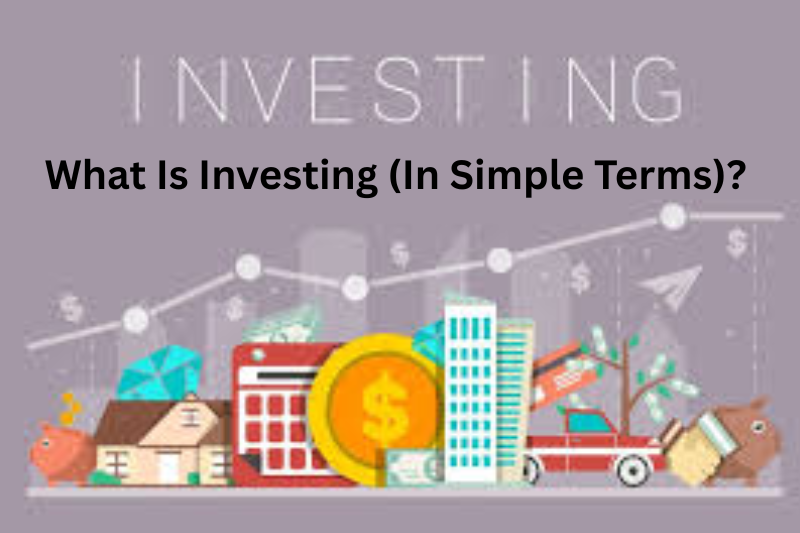
Investing means putting your money into assets that have the potential to grow over time.
Instead of letting your money sit in a bank account earning very little interest, investing gives it the opportunity to multiply.
Think of it like planting a tree:
- You water it consistently.
- You give it time.
- You don’t dig it up every week to check the roots.
Over time, it grows.
Why Investing Is Important
Here’s something most beginner investment guides emphasize — and for good reason:
Inflation Reduces Your Buying Power
Over time, things get more expensive. That means the same amount of money buys less in the future.
Historically, the stock market — often measured by indexes like the S&P 500 — has returned around 7–10% annually on average over long periods. While returns are never guaranteed, investing has historically outpaced inflation.
That’s why investing isn’t just about growing wealth — it’s about protecting your future purchasing power.
The Benefits of Investing
Let’s talk about the upside first.
1. Wealth Growth Over Time
Investing allows compound growth.
Compounding means:
- You earn returns.
- Those returns start earning returns.
- Over time, growth accelerates.
Even small amounts invested consistently can grow significantly over decades.
2. Passive Income Opportunities
Some investments pay you:
- Dividends from stocks
- Interest from bonds
- Rental income from real estate
That means your money can generate income without you actively working for it.
3. Financial Independence
Investing helps you:
- Retire comfortably
- Leave a legacy
- Handle unexpected expenses
- Reduce financial stress
Many people invest specifically to achieve long-term freedom.
4. Ownership in Great Companies
When you buy stocks, you own a piece of real businesses like:
- Apple Inc.
- Amazon
You’re not just trading numbers — you’re participating in business growth.
The Drawbacks of Investing
Now let’s be honest. Investing isn’t perfect.
Every good beginner investment guide should explain both sides.
1. Market Volatility
Prices go up.
Prices go down.
Sometimes dramatically.
Short-term losses are normal. If you panic and sell, you lock in losses.
2. Risk of Loss
Unlike a savings account, investments are not guaranteed.
You can lose money — especially in the short term.
3. Emotional Stress
Market crashes can be scary. News headlines can trigger fear. Emotional investing often leads to bad decisions.
4. Requires Patience
Investing is not a “get rich quick” strategy. It requires:
- Time
- Discipline
- Consistency
If you expect overnight results, you’ll likely be disappointed.
Step 1: Prepare Before You Invest
Before jumping in, build a foundation.
Build an Emergency Fund
Have 3–6 months of living expenses saved. This prevents you from selling investments during market downturns.
Pay Off High-Interest Debt
If you’re paying 18–25% interest on credit cards, that’s more urgent than investing.
Strong foundations make investing less stressful.
Step 2: Understand the Main Types of Investments
Let’s simplify the major categories.
1. Stocks
When you buy a stock, you own a share of a company.
Benefits:
- High growth potential
- Dividend income (sometimes)
Drawbacks:
- Can be volatile
- Requires research if buying individual stocks
2. Bonds
Bonds are loans you give to governments or companies.
Benefits:
- More stable than stocks
- Predictable income
Drawbacks:
- Lower returns
- Can lose value if interest rates rise
3. Mutual Funds and ETFs
These pool money from many investors and invest in a collection of assets.
For example, an ETF might track the S&P 500.
Benefits:
- Instant diversification
- Lower risk than single stocks
- Ideal for beginners
Drawbacks:
- Still affected by market downturns
- Management fees (though many are low-cost)
For many beginners, this is the simplest and safest place to start.
Step 3: Choose Where to Invest
To begin investing, you need a brokerage account.
Beginner-friendly platforms include:
- Vanguard Group
- Fidelity Investments
- Charles Schwab
Opening an account is usually free and can be done online.
Cv
Step 4: Create a Simple Beginner Strategy
You don’t need complex strategies.
Here’s a simple plan:
- Invest in a low-cost index fund.
- Contribute money monthly.
- Reinvest dividends.
- Stay invested long-term.
Consistency matters more than perfection.
Long-Term vs Short-Term Investing
Short-Term Investing
- Higher stress
- Higher risk
- Requires active monitoring
Long-Term Investing
- Lower stress
- Historically better results
- Allows compounding to work
Most beginner investment guides strongly favor long-term investing for a reason — it works.
Common Beginner Mistakes
Let’s protect you from avoidable errors.
1. Trying to Time the Market
Even professionals struggle with this.
2. Following Hype
Social media trends are not investment strategies.
3. Lack of Diversification
Putting all your money into one stock increases risk.
4. Investing Without Goals
Know why you’re investing:
- Retirement?
- Buying a home?
- Financial independence?
Clarity improves decision-making.
How Much Should You Start With?

You don’t need thousands.
You can start with:
- $50
- $100
- Even small recurring investments
Starting early is more powerful than starting big.
Time is your greatest asset.
You may also like to read these posts:
The Real Secret to Investing Success
It’s not intelligence.
It’s not luck.
It’s behavior.
The most successful investors:
- Stay consistent
- Avoid emotional decisions
- Keep costs low
- Think long-term
Final Thoughts on Beginner Investment Guides
If you feel more confident now, that’s the goal.
Investing isn’t about being perfect.
It’s about being consistent.
Yes, there are benefits:
- Wealth growth
- Passive income
- Financial freedom
Yes, there are drawbacks:
- Risk
- Volatility
- Emotional challenges
But with education and discipline, investing becomes one of the most powerful tools for building long-term financial security.
FAQs – Beginner Investment Guides
1. What is the best investment for beginners?
There isn’t one “best” investment for everyone. However, many beginners start with low-cost index funds or ETFs that track broad markets like the S&P 500.
Why?
Instant diversification
Lower risk than picking individual stocks
Simple to manage
2. How much money do I need to start investing?
You can start with very little.
Many platforms allow investments starting at:
$10
$50
$100
You don’t need thousands of dollars to begin. The key is consistency — not the amount.
3. Is investing risky?
Yes — investing involves risk.
Prices can go up and down. You can experience temporary losses. However:
Long-term investing has historically produced positive returns in broad markets.
Risk decreases when you diversify and invest for longer periods.
4. How do I reduce risk as a beginner?
You can reduce risk by:
Investing in diversified funds (ETFs or mutual funds)
Avoiding putting all money into one stock
Investing long-term instead of short-term trading
Keeping an emergency fund first
5. What is the difference between stocks and ETFs?
Stocks
When you buy stocks, you own shares of a specific company like:
Apple Inc.
Amazon
.