
Let’s talk honestly for a moment.
Most people will borrow money at some point in their lives. It might be for a home, education, business, or even during an emergency. Borrowing itself is not the problem. The real issue is how you borrow.
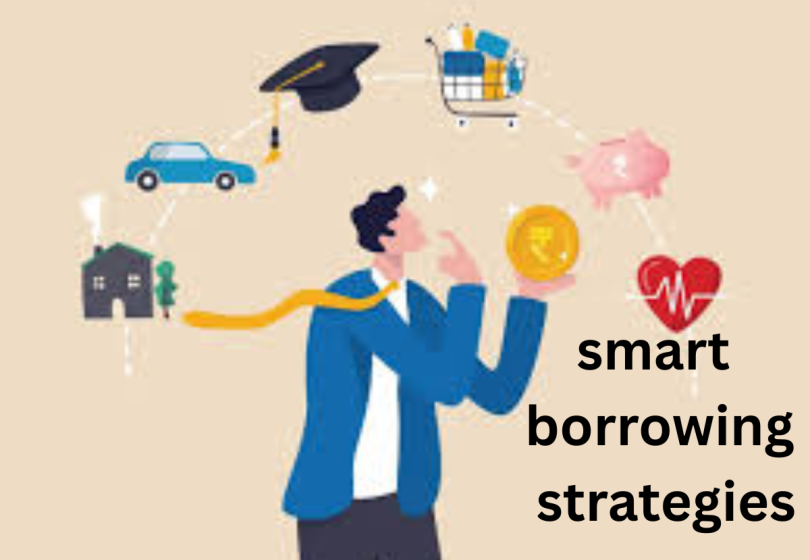
That’s where smart borrowing strategies come in.
If you use the right approach, debt can help you grow financially. If you use the wrong approach, it can create stress that lasts for years. In this detailed guide, I’ll walk you through practical smart borrowing strategies — and we’ll also look at the benefits and drawbacks so you can make informed decisions
What Are Smart Borrowing Strategies?
Smart borrowing strategies are thoughtful methods that help you:
- Borrow responsibly
- Minimize interest costs
- Protect your credit score
- Maintain financial stability
- Avoid long-term debt traps
It’s not about avoiding loans completely. It’s about making borrowing work in your favor.
Why People Borrow Money
Before we dive deeper, let’s understand common reasons for borrowing:
- Buying a home
- Paying for college
- Starting or expanding a business
- Covering emergency expenses
- Consolidating debt
For example, someone might apply for a mortgage through Bank of America, or seek a small business loan supported by the Small Business Administration.
Borrowing can be productive — when it’s strategic.
10 Detailed Smart Borrowing Strategies
1. Borrow With a Clear and Necessary Purpose
Before taking on debt, ask yourself:
- Is this an investment or a liability?
- Will this loan improve my financial future?
Borrowing for education or property can potentially increase your earning power. Borrowing for luxury upgrades or impulse purchases often creates unnecessary financial pressure.
Purpose-driven borrowing is the foundation of smart borrowing strategies.
2. Understand the True Cost of the Loan
Many people only look at the monthly payment. That’s a mistake.
You must understand:
- Interest rate (APR)
- Loan term
- Total repayment amount
- Fees and penalties
- Fixed vs variable rates
For example, a 5-year loan at a lower interest rate might cost far less overall than a 7-year loan with a smaller monthly payment.
Smart borrowing strategies focus on total cost, not short-term comfort.
3. Check and Improve Your Credit Score First
Your credit score determines:
- Approval chances
- Interest rates
- Loan limits
You can review your credit profile through credit bureaus like Experian.
Even improving your score slightly before applying can:
- Reduce your interest rate
- Lower your monthly payments
- Save thousands over time
This is one of the most overlooked smart borrowing strategies.
4. Compare Multiple Lenders
Never accept the first offer.
Compare:
- Traditional banks
- Credit unions
- Online lenders
For example, while large institutions like Wells Fargo offer structured loan programs, smaller credit unions may provide more competitive rates and flexible terms.
Shopping around gives you negotiating power.
5. Borrow Less Than What You Qualify For
Lenders approve you based on risk formulas — not your comfort level.
If you’re approved for $40,000, that doesn’t mean you should take the full amount.
Smart borrowing strategies recommend:
- Leaving room in your monthly budget
- Preparing for income changes
- Avoiding financial strain
Always create breathing room.
6. Build an Emergency Fund Before Taking New Debt
If possible, save at least 3–6 months of essential expenses before taking on new loans.
Why?
Because unexpected events like medical bills, layoffs, or car repairs can push you into deeper debt.
Having savings protects you from relying on high-interest credit during emergencies.
7. Understand Good Debt vs Bad Debt
Not all debt is equal.
Productive (Potentially Good) Debt:
- Home mortgages
- Student loans
- Business loans
Risky (Often Bad) Debt:
- Payday loans
- High-interest credit cards
- Unplanned installment purchases
The difference lies in whether the debt creates future value.
Smart borrowing strategies focus on debt that supports growth — not consumption.
8. Have a Clear Repayment Plan
Before borrowing, answer:
- How will I repay this?
- Can I make extra payments?
- What is my target payoff date?
Popular repayment approaches include:
- Debt Snowball Method (smallest balances first)
- Debt Avalanche Method (highest interest first)
A loan without a repayment plan becomes a burden.
9. Avoid Emotional Borrowing
Borrowing out of:
- Social pressure
- Stress
- Comparison with others
Often leads to regret.
Pause. Wait 24–48 hours before large borrowing decisions.
Smart borrowing strategies always involve calm, rational decisions.
10. Read the Fine Print Carefully
Always check:
- Prepayment penalties
- Late payment fees
- Rate adjustments
- Hidden charges
Never sign a contract you don’t fully understand.
If needed, ask questions. Responsible lenders expect that.
Benefits of Smart Borrowing Strategies
When you apply smart borrowing strategies correctly, you gain:
1. Lower Interest Costs
Better credit and comparison shopping reduce overall repayment amounts.
2. Improved Credit Score
Responsible borrowing builds strong credit history.
3. Financial Flexibility
Borrowing wisely keeps your monthly budget manageable.
4. Opportunity for Wealth Building
Strategic debt can help you:
- Purchase property
- Invest in education
- Grow a business
5. Reduced Financial Stress
You may also like to read these posts;
Planning ahead prevents panic and missed payments.
Drawbacks and Risks of Borrowing (Even When Smart)
Even with smart borrowing strategies, there are risks.
1. Long-Term Financial Commitment
Loans can last years or decades.
2. Interest Accumulation
Even low-interest loans increase total costs over time.
3. Risk of Income Disruption
Job loss or reduced income can make repayment difficult.
4. Credit Score Damage
Missed payments hurt your credit quickly.
5. Overconfidence Risk
Sometimes borrowers feel too comfortable and take on more debt than they should.
Smart borrowing strategies reduce risk — but they don’t eliminate it entirely.
When Borrowing Makes Sense
Borrowing may be wise if:
- The loan improves long-term earning potential
- You have stable income
- You have emergency savings
- You understand all loan terms
- The debt fits comfortably within your budget
If these conditions aren’t met, it may be better to delay borrowing.
When You Should Avoid Borrowing
Avoid borrowing if:
- You’re already struggling with debt
- You don’t understand the loan terms
- You’re borrowing for non-essential spending
- Your income is unstable
- You’re using debt to solve ongoing cash flow problems
Debt should never replace proper budgeting.
Final Thoughts: Use Debt as a Tool, Not a Trap
Here’s the reality:
Debt is neither good nor bad by itself. It’s a financial tool.
When you apply smart borrowing strategies, you stay in control. You protect your future. You reduce stress. And you make borrowing work for you — not against you.
Frequently Asked Questions (FAQs) About Smart Borrowing Strategies
1. What are smart borrowing strategies?
Smart borrowing strategies are practical methods that help you borrow money responsibly, reduce interest costs, and repay debt comfortably. They include comparing lenders, checking your credit score, borrowing only what you need, and having a clear repayment plan.
2. How do I know if I should borrow money?
You should consider borrowing if:
The loan supports long-term growth (education, home, business)
You have stable income
You understand the loan terms
The monthly payment fits comfortably in your budget
3. How much should I borrow?
One of the most important smart borrowing strategies is to borrow less than what you qualify for.
Lenders may approve a higher amount than you can comfortably manage. Always base your decision on:
Your monthly income
Existing expenses
Emergency savings
Future financial goals
4. Does borrowing money hurt my credit score?
It depends.
Borrowing itself does not hurt your credit score. In fact, responsible borrowing can improve it.
However:
Late payments lower your score.
Missing payments significantly damages it.
Applying for too many loans at once can temporarily reduce it.
5. What is the difference between good debt and bad debt?
Good debt typically helps build long-term value, such as:
Home loans
Student loans
Business loans (including programs supported by the Small Business Administration)